


Many look forward to the snowy winter days, but others can struggle with a season that brings shorter daylight and fewer opportunities for socialization. For those who find winter to be a difficult time, United Counseling Service (UCS)’s Director of Outpatient Mental Health and Substance Use Services, Ken Mayer, suggests a few coping methods.
Gratitude and looking inward
One way to combat mental health challenges associated with winter is to intentionally find moments to celebrate the beauty of change. Early February marks a point when the seasons begin to shift, serving as a reminder that winter is not permanent. “It is an opportunity to recognize our connection with nature and our place within it,” says Ken. This focus on celebrating change is about being mindful of the changes happening around us. Winter brings shorter days and a natural drop in energy, which encourages us to give space and time for inner work. “What nature is telling us is this is a time to go inside,” says Ken. “Not just a house or a dwelling, but for personal reflection. We get very busy and don’t take a lot of time to look inside and meditate, to see where we are in our lifespan, what’s going on in our life, and what’s important to us.” Reflecting inwards gives us opportunities for gratitude, which can offer a sense of increased wellness and contentment.
Boosting well-being with nutrition and movement
Another way to promote good mental health in winter and all seasons is to think about the kinds of foods you consume and aim to find a healthy balance. Sugar and refined carbohydrates, such as cookies and cakes, lead to crashes that can cause depression symptoms. These are also often the types of offerings found at holiday festivities and other social gatherings. What can help is making a plan ahead of time—preparing healthy options to an event that you can share or eating healthier foods before you attend the gathering. Limiting consumption of these foods is one way to prioritize good mental health.
Avoiding alcohol and other substances can be another challenge, especially during and after the holidays. “With substance use, more people relapse after the holiday,” says Ken. “After trying to get through the holiday, there is a come down. The chronic nature of addiction is that it strikes when you let your guard down.” It is important for anyone struggling to acknowledge the challenges that this season brings and talk about it, including to a mental health counselor, if that feels helpful. “Acknowledging that it is a tough time of year for a lot of people does a lot more than telling someone to get over it.”
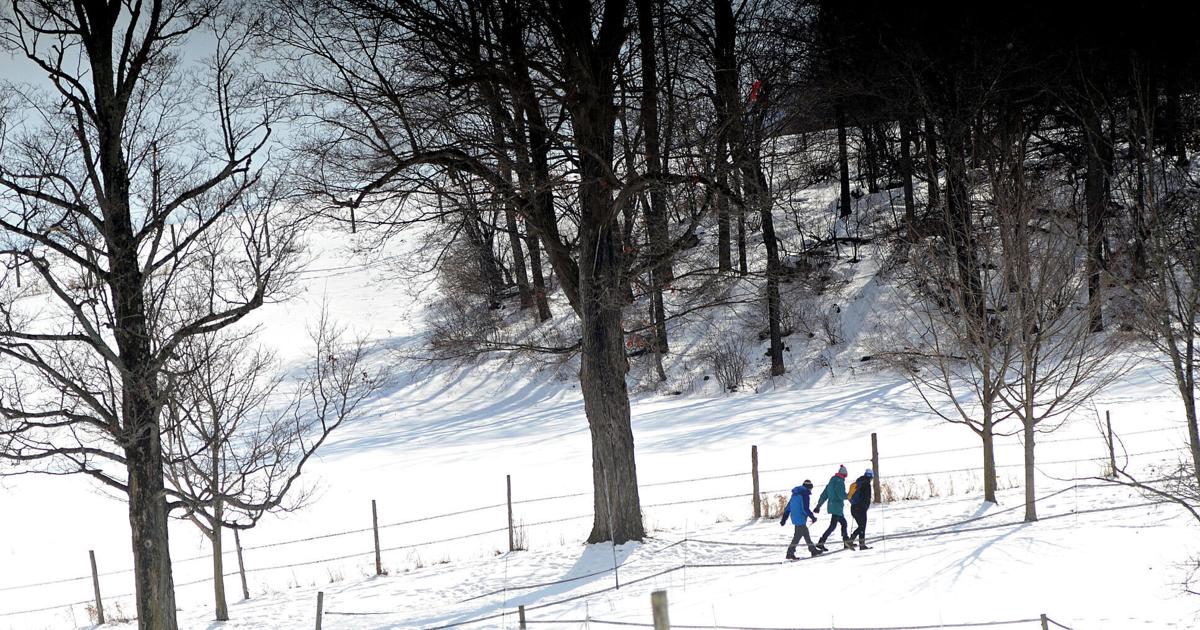
Along with mindful eating, physical activity can make a big difference for someone struggling with their mental health during winter. Exercise releases chemicals in our bodies that naturally increase mood, so it is important to find an activity that works for you. Chair yoga can be a great option if you have trouble with balance or standing. Other ideas are skiing, show shoeing, hiking, or walking—all opportunities to notice and connect with nature.
Lastly, one simple option for brightening one’s mood in winter is to find creative outlets and experiences, such as tuning into a podcast or livestream of a musical or theatrical performance. These kinds of events are easily accessible and bring people together during a season when travel can be difficult. Live events are another great option for those able to access them. Ken says, “I really encourage creative things that don’t put you in a lull, like watching TV. Make it a point to turn off the tv. Find live music to watch, podcasts—ways you can feel connected to others while engaging in creative, artful activities—something to capture your senses.”
There are countless indoor and outdoor options for all who struggle in winter. Finding balance and connection are important to improving one’s mental health through an often challenging season. If you find yourself experiencing low mental health, Ken encourages talking with a mental health professional who can help you work through challenges and find healthy coping methods. For individuals who think they may be experiencing Seasonal Affective Disorder (SAD) or have been diagnosed with SAD, Ken says that speaking with a mental health professional is a good and viable option. SAD is a condition that is more intense than seasonal blues—it can cause behavior and mood changes that affect one’s daily life. SAD is more common in winter, but can also occur at other times of the year as well.
“There are lots of things you can do about seasonal mental health challenges, and one of the biggest ways is being creative and going with the flow. Fighting winter is not going to change winter.”
Ken Mayer is Director of Outpatient Mental Health and Substance Use Services at United Counseling Service.
link