BY VICTORIA EWEN
By the time someone reaches older adulthood, they have accumulated a wealth of personal experiences and lasting memories. Some memories evoke feelings of joy, while others may bring sadness or anger. Regardless, reflecting on these memories allows us to relive experiences long past without ever leaving our living room. This process is broadly referred to as “reminiscence.”
There are various reasons someone might want to look back on their life. Research into the functions of reminiscence has identified several purposes for engaging in this practice that can be highly beneficial. These include aiding in a sense of identity, preparing for death and accepting mortality, problem-solving, teaching life lessons to others, and connecting with others. However, there are also less adaptive reasons for reminiscing, such as reducing boredom, attempting to feel close to lost loved ones, and reliving negative events to justify negative emotions.
As you might expect given the potential functions, reminiscence has the potential to be quite beneficial, if done correctly. And this possibility was not lost on the people who create psychological interventions. During my master’s degree, I helped facilitate Reminiscence Group Therapy in the older adult inpatient unit of Lakehead Psychiatric Hospital. At the time, I had never heard of this type of therapy, but I learned that it involves prompting group members to think about past experiences—places they have visited, people they have known, things they have enjoyed—and to share these memories with each other. And the immediate benefits on mood and social connection were evident among participants.
When I explored whether it was just my perception that participants were benefiting, or whether this type of group offered meaningful benefits, I found research indicating that reminiscence therapy led to significant improvements in older adults’ mental health and well-being across various populations and settings. Even among older adults with more severe difficulties, such as those with dementia, there were significant improvements in anxiety and depressive symptoms, and even cognitive symptoms like memory difficulties.
Outside of the therapy room, naturalistic studies showed that those who engage in reminiscence more frequently in their day-to-day lives tend to have better mental health. Notably, older adults appear to benefit more from informal reminiscence compared to younger individuals, as they often engage in it for more adaptive reasons. And while I have written about the importance of mindfulness and being present in day-to-day life, research shows that taking time to relive the good old days is also a valuable and worthwhile activity.
Just like many health-improving behaviours, everyone naturally engages in reminiscence to some degree. But it can be beneficial to be more intentional about taking time to engage in these types of activities. Consider incorporating the following practices into your daily life to enhance your well-being through reminiscence:
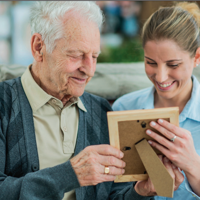
- Set aside time each week to go through an old photo album or examine keepsakes, recalling the experiences associated with them.
- Research different time periods from your past to see how they are portrayed today; share your reflections with others who remember that era.
- During family or friend gatherings, take the opportunity to discuss your favorite recipes or heirlooms and the stories behind them.
- Reflect on times when you faced challenges and the strategies you used to overcome them, helping you cope more effectively with current difficulties.
- Avoid dwelling on negative or traumatic life events in a way that feels unhelpful or burdensome.
You can even start right now! Take a moment to recall a time when you felt truly happy. Where were you? Who were you with? Try to recreate that experience in your mind using all your senses. Congratulations – you have already started to reap the rewards of reminiscing!
Generation Conversations is a monthly column alternating focus on children and seniors mental health to create awareness and offer knowledge of relevant issues and practical suggestions. The column is shared by Staci Person (children) and Victoria Ewen (seniors), psychologists at Sullivan and Associates Clinical Psychology. It appears on the Healthstyle page on the fourth Tuesday of each month.
link